
Some extensions and alterations to houses can go ahead without a planning application. Here is how permitted development works, where it does not apply and how to protect yourself.
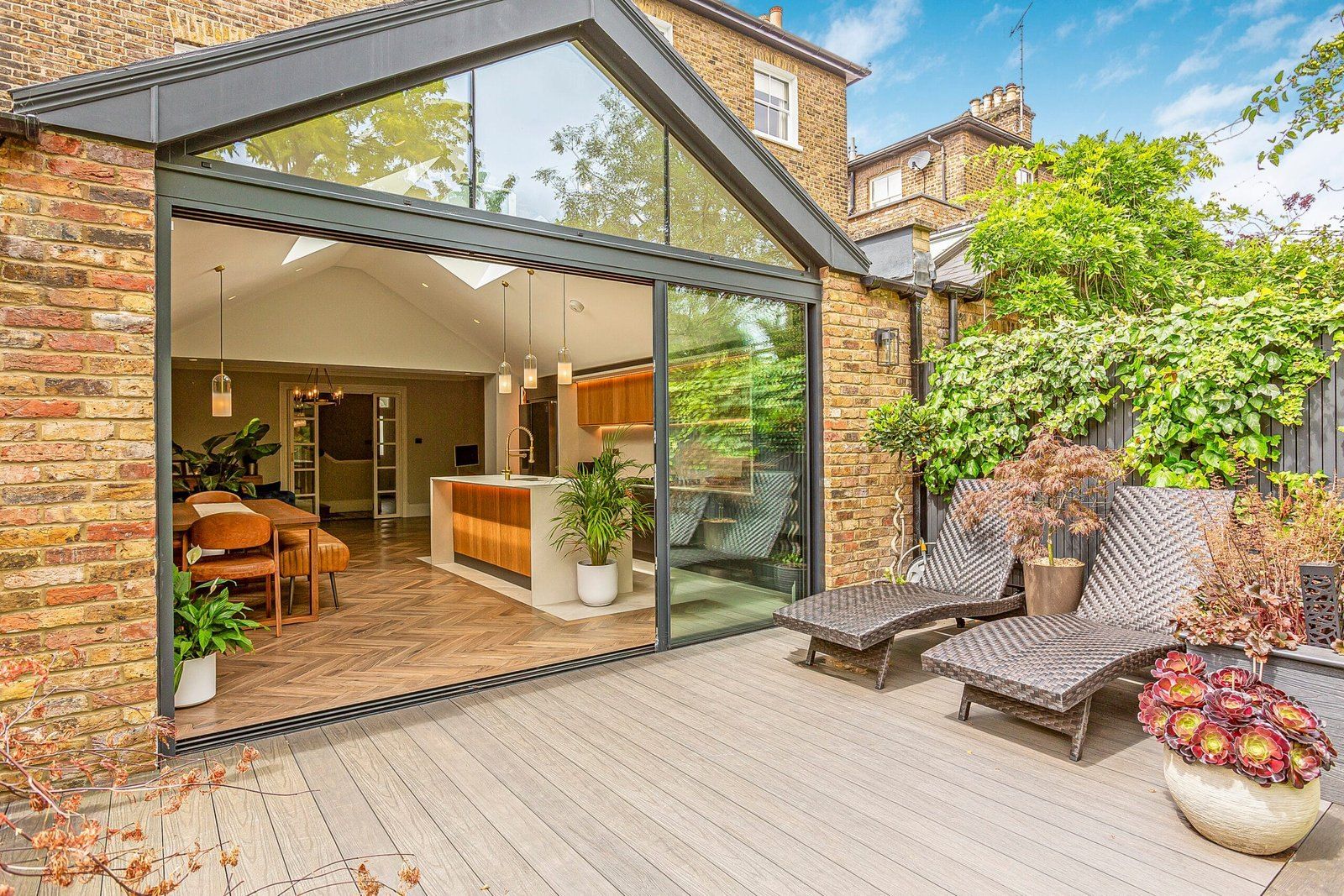
Permitted development rights allow certain works to be carried out without applying for planning permission. They are set nationally, mainly through the Town and Country Planning (General Permitted Development) (England) Order 2015, which has been amended many times since.
What it can cover
For houses, permitted development can include some single-storey rear extensions, some loft conversions and dormers, some outbuildings, and a number of smaller alterations such as certain rooflights and porches. Each right comes with detailed limits on size, height, position and materials.
Some rights, such as a larger single-storey rear extension, require a prior approval application to the council before work starts, which gives neighbours an opportunity to comment.
Where it does not apply
- Flats and maisonettes do not have the same householder permitted development rights as houses.
- Listed buildings need listed building consent for most works, whether or not planning permission is needed.
- Conservation areas and other designated land have more limited rights.
- Article 4 directions can remove permitted development rights in a particular area. These are common in parts of London.
- Rights may already have been removed by a condition on an earlier planning permission.
Protecting yourself
If you rely on permitted development, it is worth applying for a Lawful Development Certificate. It is not compulsory, but it is a formal confirmation from the council that the works are lawful, and buyers’ solicitors often ask for it when you come to sell.
Permitted development only removes the need for planning permission. The works will still need to meet building regulations, and if they affect a shared wall you may need to serve notice under the Party Wall etc. Act 1996.
Check before you design
The rules are detailed and change from time to time, so they need checking against the property, its history and the current regulations. We review the planning position at the start of every residential project. See our planning and residential refurbishment services.